Changing your hair color is one of the easiest ways to refresh your appearance without completely changing your hairstyle. In 2026, hair color trends are leaning toward rich tones, natural-looking dimension, soft highlights, and personalized shades rather than one-size-fits-all colors.
Whether you prefer subtle changes or a bold transformation, there are plenty of options to explore.
1. Warm Chocolate Brown
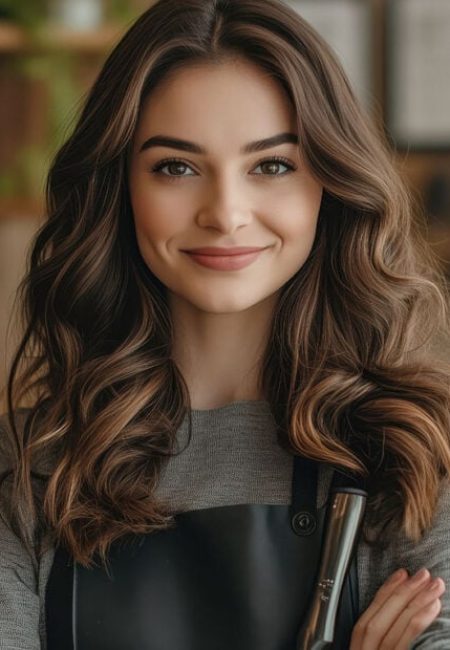
Chocolate brown is a timeless shade that works beautifully for women who want a rich yet natural-looking color. Warm undertones can add depth and dimension while keeping the overall look sophisticated.
Best for: Brunettes, medium to dark hair, and low-key transformations.
2. Caramel Highlights
Caramel highlights add warmth and brightness without requiring an entirely new base color.
They can be placed around the face or blended throughout the hair for a more dimensional appearance.
Best for: Brown and dark-blonde hair.
3. Honey Blonde
Honey blonde sits between golden blonde and light brown. Its warm, soft appearance makes it a versatile option for anyone looking for a brighter hairstyle without an extremely light blonde.
Pairing honey blonde with subtle layers can create additional movement and dimension.
4. Cherry Red
For women who want something more noticeable, cherry red offers a vibrant alternative to traditional brunette and blonde shades.
Depending on the base color and lighting, it can range from deep burgundy-red to a brighter cherry tone.
Tip: Discuss maintenance with your stylist because red shades can require regular color care.
5. Expensive-Looking Brunette
A rich brunette doesn’t have to look flat. Combining several closely related brown tones can create subtle dimension while maintaining a natural overall appearance.
This approach works especially well for women who prefer elegant, understated hair color.
6. Face-Framing Highlights
Face-framing highlights focus lighter pieces around the front of the hair. They can brighten the overall appearance while requiring less color than a full-head transformation.
The intensity can be customized—from barely noticeable highlights to a much more dramatic contrast.
7. Copper Hair
Copper remains an eye-catching choice for women who want warmth and personality. Soft copper can look understated, while brighter copper creates a more dramatic transformation.
It can also be combined with darker roots for a blended appearance.
8. Mocha Balayage
Mocha balayage combines brunette tones with carefully blended lighter sections. Because the color transitions gradually, the result can look softer than traditional highlights.
It’s particularly suitable for people who want dimension without obvious stripes.
9. Glossy Black
For a bold and polished appearance, glossy black hair creates a strong visual effect. A healthy shine is particularly important with very dark shades because it enhances the richness of the color.
Regular conditioning and appropriate hair-care products can help maintain the finish.
10. Soft Pastel Shades
Pastel pink, lavender, peach, and other soft colors remain options for women who enjoy creative hair transformations.
These shades can be applied all over, used as highlights, or incorporated into balayage-style designs.
Best for: Anyone comfortable with more frequent maintenance and experimentation.
How to Choose Your Hair Color
Before choosing a shade, consider more than the trend itself.
Consider Your Natural Hair Color
Your starting shade affects how easily you can achieve a particular color. Some lighter or vibrant shades may require pre-lightening.
Think About Maintenance
Ask yourself how often you’re willing to visit a salon. A dramatic color change can require more frequent touch-ups than a blended balayage or dimensional brunette.
Consider Your Hair Condition
If your hair has already undergone significant chemical processing, talk with a professional before adding another treatment.
Bring Reference Photos
A photo can help your stylist understand the tone, brightness, and overall effect you’re looking for. Keep in mind that the final result depends on your existing hair color, texture, and previous treatments.
Final Thoughts
The biggest hair-color idea for 2026 is customization. Instead of choosing a shade simply because it’s trending, consider how it fits your natural hair, desired maintenance level, and personal style.
Whether you choose chocolate brown, caramel highlights, honey blonde, copper, cherry red, or a creative pastel, the right color can give your hairstyle an entirely new character.
A great hair color isn’t just about following a trend—it’s about finding a shade that feels like you.